1
Hazard-Based Selection
Participants learn that PPE should be selected according to the hazard, not convenience.
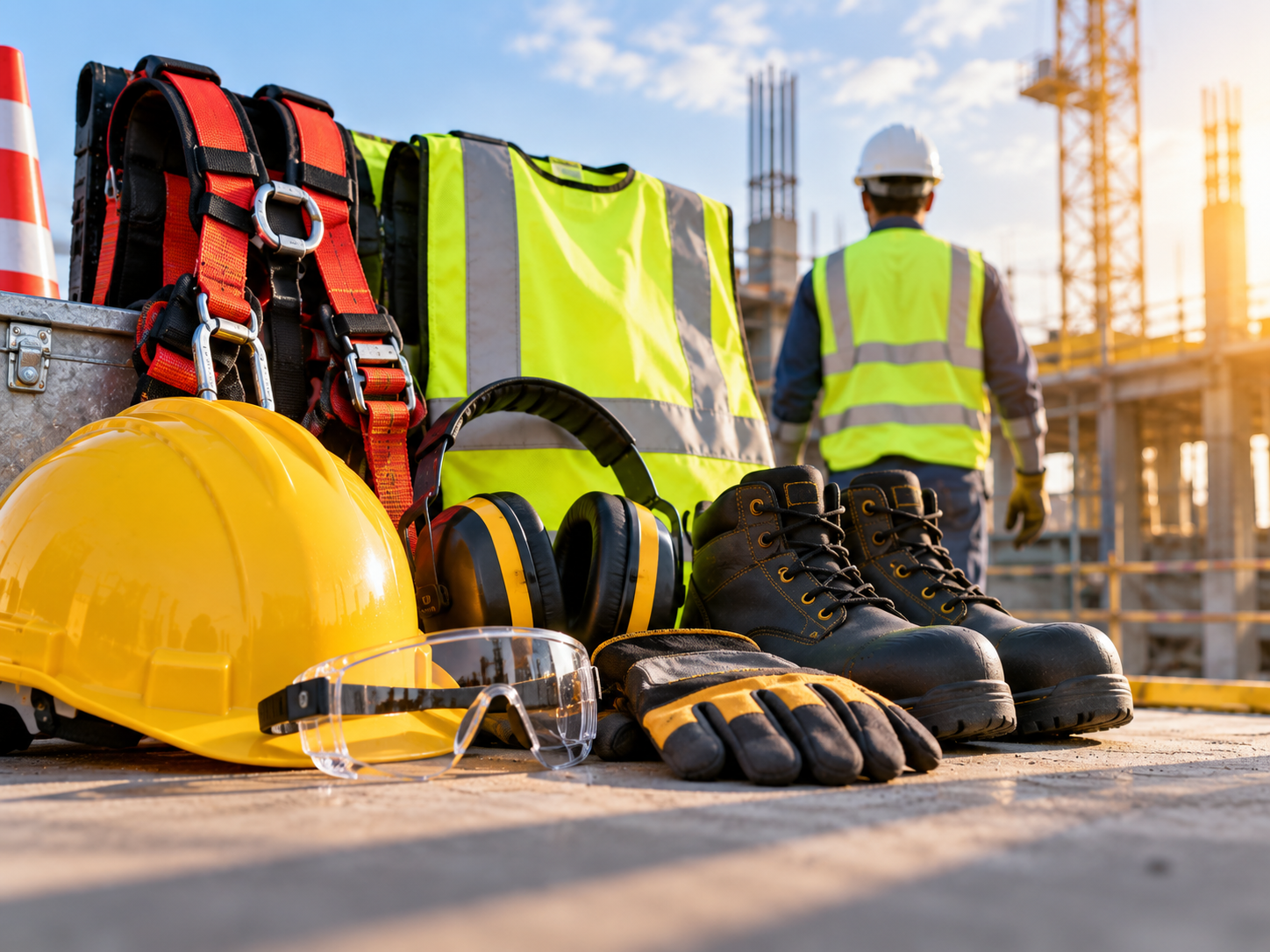
PNIFS PPE Training helps workers understand when protective equipment is needed, how to select and wear it correctly, its limitations and how to inspect and maintain it.
Explore TrainingPPE forms an important layer of protection where hazards cannot be completely eliminated by engineering, administrative or work-practice controls. PNIFS training helps employees match PPE to workplace hazards and understand correct fitting, inspection, storage, maintenance and replacement practices.
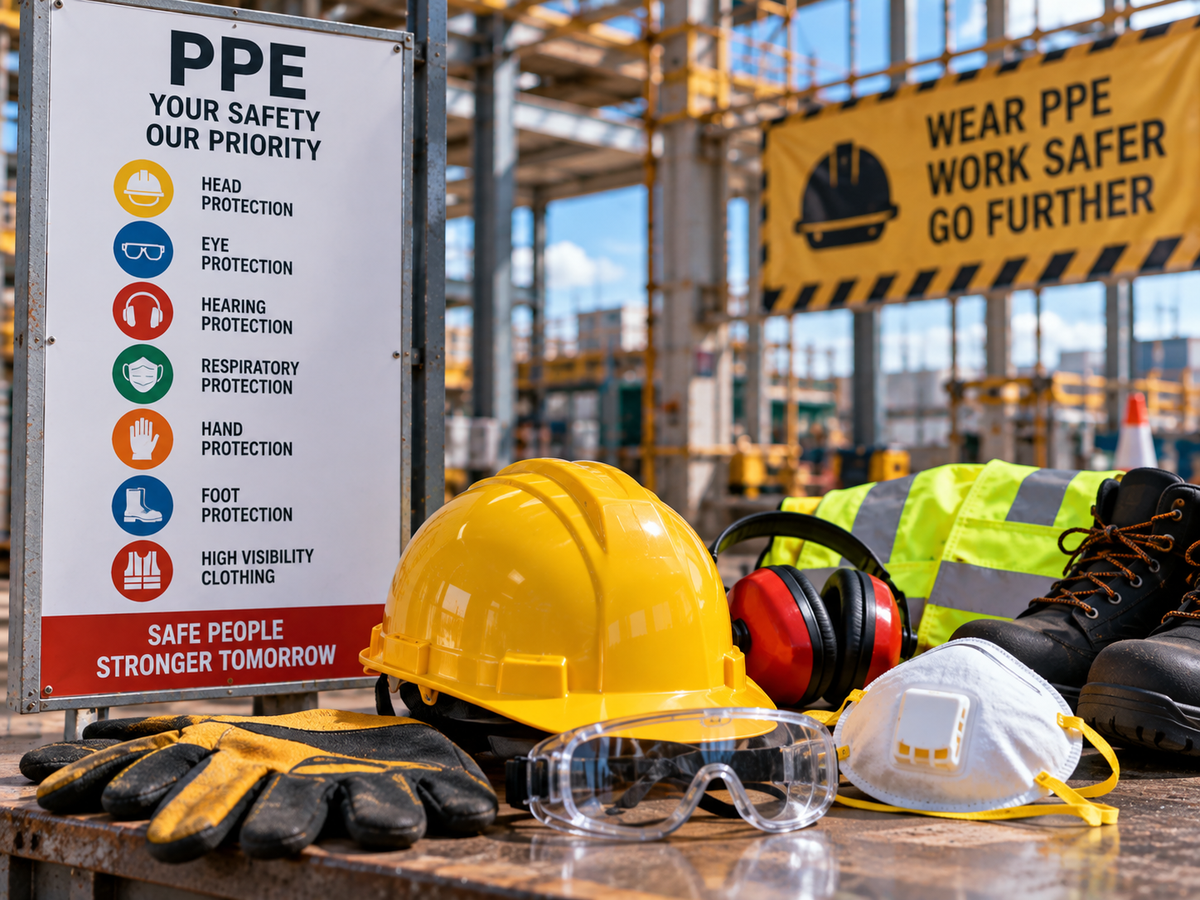
PNIFS combines structured safety concepts with workplace-focused examples to help participants understand hazards, controls and their role in safer operations.
Participants learn that PPE should be selected according to the hazard, not convenience.
Training explains correct fitting and adjustment for commonly used protective equipment.
Workers learn to identify visible damage, contamination and wear before use.
The course explains why PPE cannot replace proper hazard controls.
Head, eye, hand, foot, hearing, respiratory and body protection are discussed.
Examples are suitable for construction, manufacturing, maintenance and industrial operations.
The program is designed to improve hazard awareness, decision-making and understanding of safe work procedures.
This program is relevant for personnel whose roles expose them to the hazards and work activities covered in the training.
Sessions combine explanation, visual learning, workplace examples and knowledge reinforcement.
Common PPE categories and hazard-matching principles are explained.
Basic fitting, adjustment and user checks are demonstrated.
Participants review typical signs of damage, wear and contamination.
Workplace examples are used to decide which PPE may be required.
Train employees to choose, inspect, wear and maintain PPE more effectively as part of a broader workplace hazard-control program.
View FAQsPlain FAQ content is provided below so you can place it inside your preferred accordion widget or custom accordion structure.
PPE Training teaches workers when protective equipment is needed, which type is suitable for a hazard, how to wear it correctly, its limitations and how to inspect, care for and store it.
Training can cover safety helmets, eye and face protection, gloves, safety footwear, protective clothing, hearing protection, respiratory protection awareness and fall-protection PPE where relevant.
Employees exposed to workplace hazards, including construction workers, factory personnel, maintenance teams, technicians, contractors, supervisors and safety staff, should understand correct PPE use.
No. PPE should be part of a broader control strategy. Where possible, hazards should first be eliminated or controlled through engineering, administrative or safe-work measures.
Damage, wear, contamination, missing parts or poor fit can reduce protection. A quick pre-use inspection helps identify equipment that should be repaired, replaced or removed from service.
Yes. PNIFS can structure PPE awareness training around the types of hazards and protective equipment commonly used by a company’s workforce.