1
Practical Fire Awareness
Training explains how fires start, spread and can be prevented in everyday workplaces.

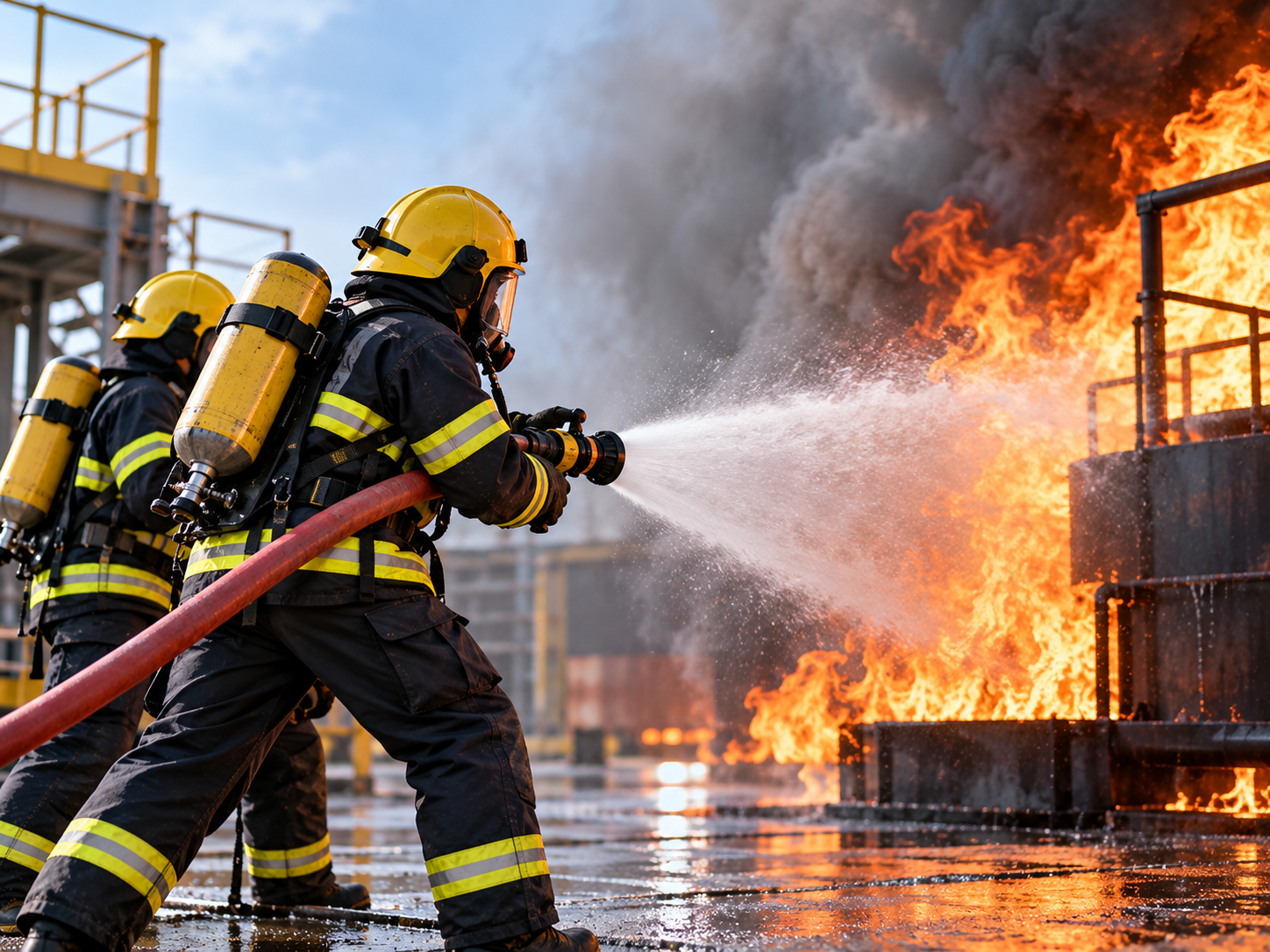
PNIFS Fire Fighting Training builds essential awareness of fire prevention, extinguisher types, emergency response, evacuation and the limits of incipient-stage firefighting.
Explore TrainingWorkplace fires can grow quickly when ignition sources, combustible materials and delayed response combine. PNIFS training helps participants understand basic fire behaviour, fire prevention, extinguisher awareness, alarm and evacuation procedures, safe response priorities and the importance of knowing when to withdraw and call emergency services.
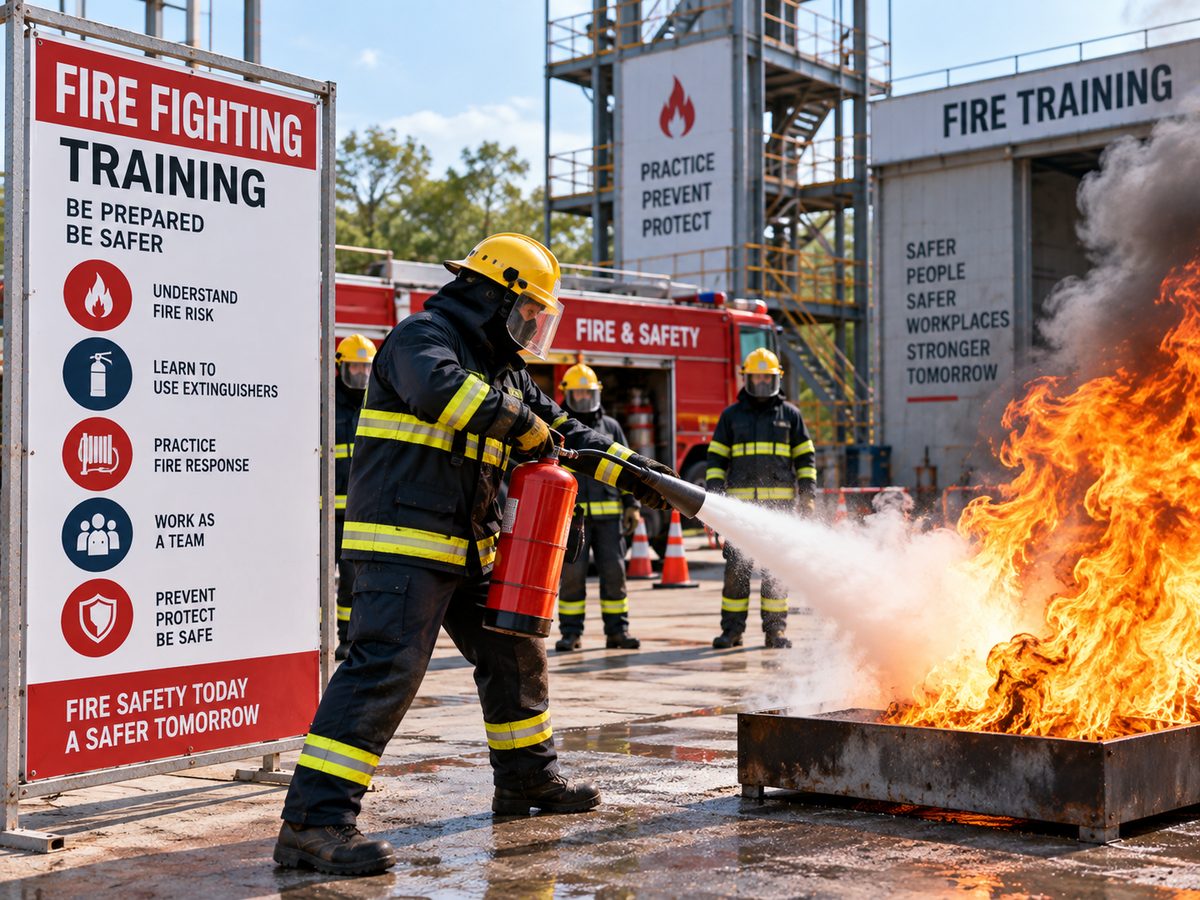
PNIFS combines structured safety concepts with workplace-focused examples to help participants understand hazards, controls and their role in safer operations.
Training explains how fires start, spread and can be prevented in everyday workplaces.
Participants learn the basic purpose and selection considerations for common extinguisher types.
Alarm, evacuation, assembly and communication procedures are reinforced.
The course stresses personal safety and the limits of attempting to fight a fire.
Examples cover offices, factories, construction sites, warehouses and facilities.
Training encourages better housekeeping, hazard reporting and emergency readiness.
The program is designed to improve hazard awareness, decision-making and understanding of safe work procedures.
This program is relevant for personnel whose roles expose them to the hazards and work activities covered in the training.
Sessions combine explanation, visual learning, workplace examples and knowledge reinforcement.
Basic fire behaviour, hazards and prevention principles are explained.
Common extinguisher types and operating principles are reviewed.
Participants discuss alarm, evacuation, assembly and response priorities.
Questions and examples are used to confirm understanding of safe actions.
Train your employees to recognize fire hazards, understand extinguisher use and respond to alarms and evacuation procedures with greater confidence.
View FAQsPlain FAQ content is provided below so you can place it inside your preferred accordion widget or custom accordion structure.
The training covers basic fire behaviour, workplace fire hazards, fire prevention, extinguisher awareness, alarm response, evacuation, assembly procedures and safe emergency-response principles.
Employees, security teams, facility staff, construction workers, supervisors, fire wardens, emergency teams and safety personnel can benefit from workplace fire safety training.
The program explains extinguisher types, selection awareness and basic operating principles. Practical extinguisher demonstrations can be included depending on the training arrangement and site conditions.
No. Employee safety comes first. A person should only attempt to control a small, early-stage fire when trained, authorized, equipped and when a safe escape route remains available.
Drills help employees become familiar with alarms, escape routes, assembly points, emergency roles and communication procedures before a real incident occurs.
Yes. PNIFS can provide fire-safety awareness and workplace fire-response training for companies, industrial facilities, institutions, construction sites and other organizations.