1
Fall Prevention Priority
Training emphasizes preventing falls before relying on fall-arrest equipment.

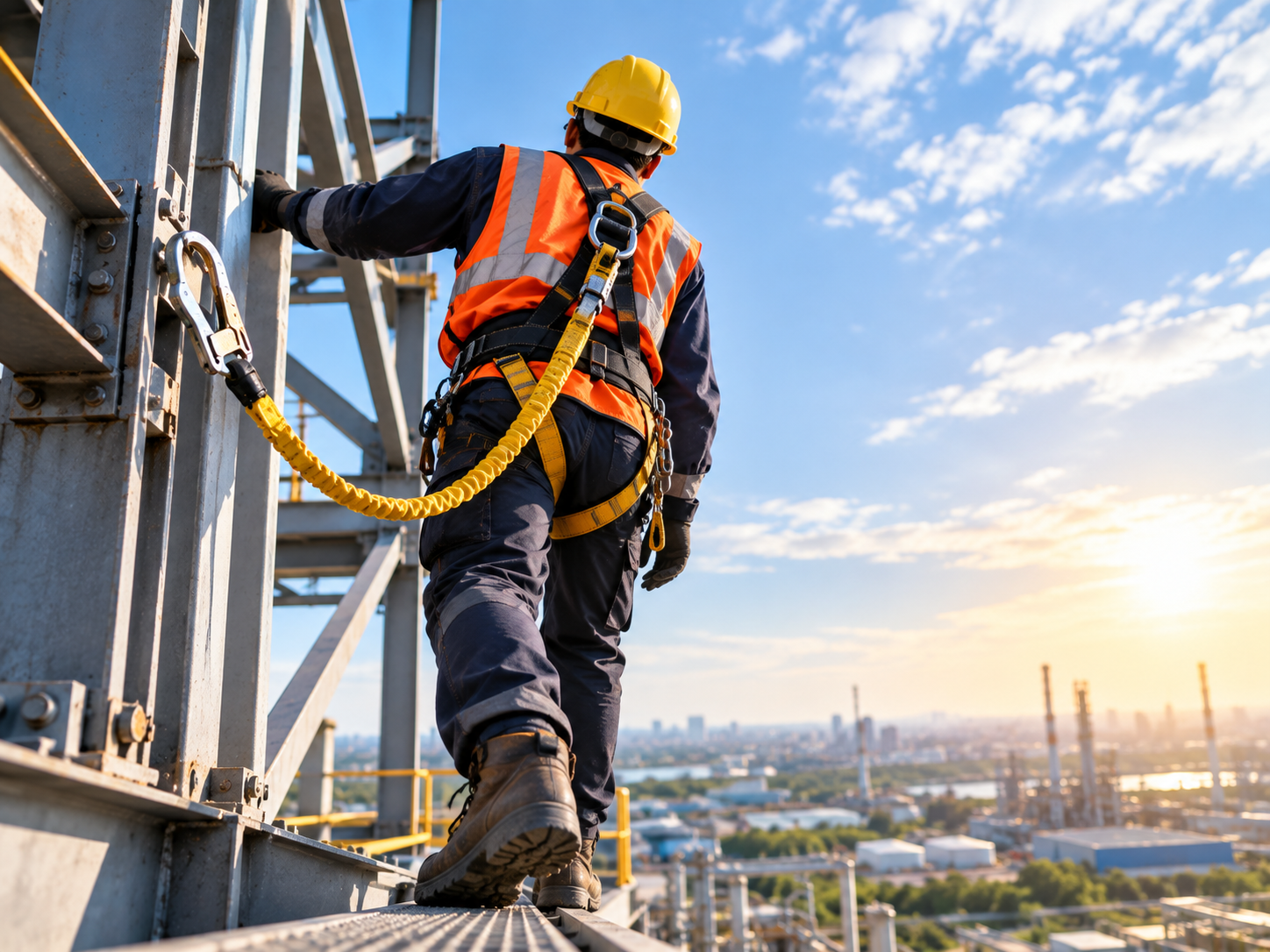
PNIFS Work at Height Training helps workers and supervisors identify fall hazards, select safer access methods and understand fall-prevention, restraint and arrest principles.
Explore TrainingWorking on roofs, ladders, scaffolds, platforms, structures and elevated work areas can expose personnel to serious fall hazards. PNIFS focuses on planning the task, checking access equipment, understanding guardrails and harness systems, selecting suitable anchorage and preparing for emergencies before work at height begins.
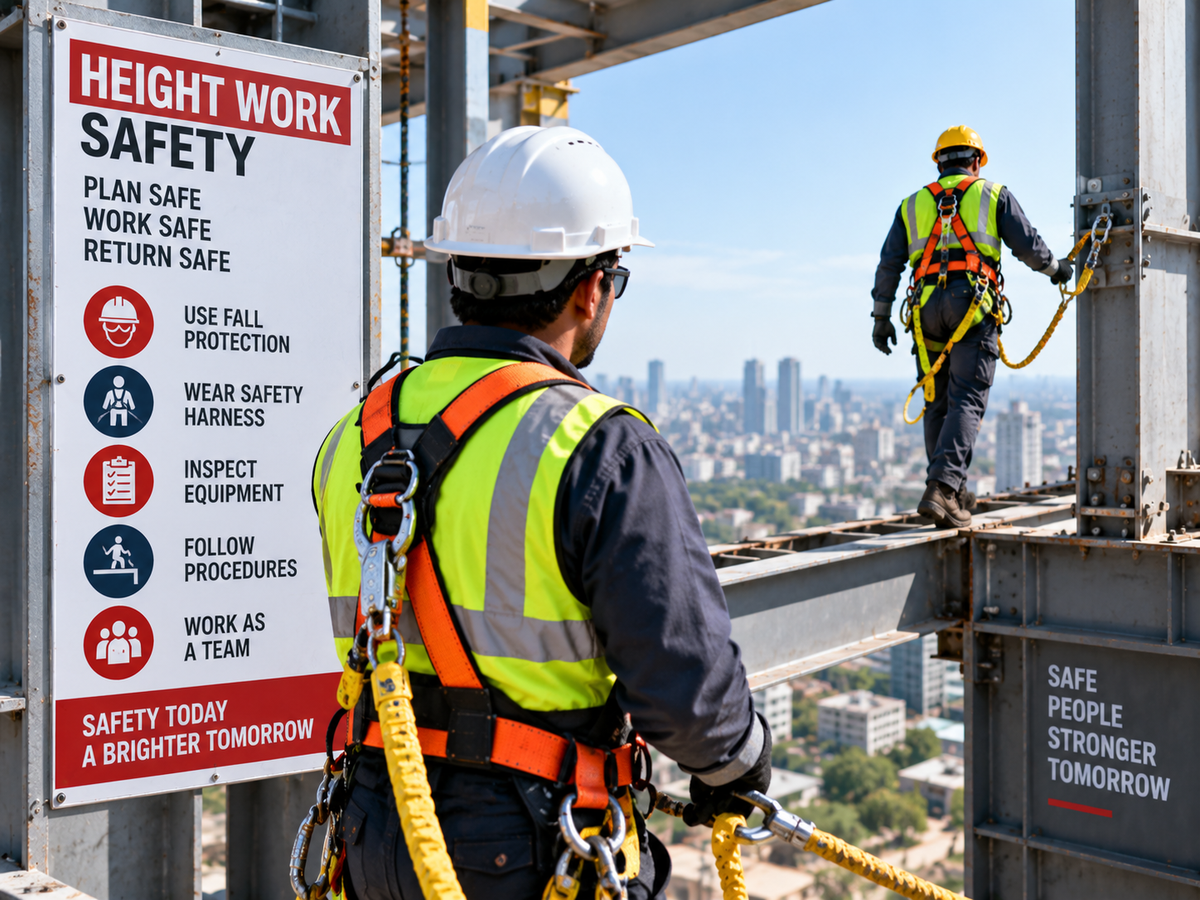
PNIFS combines structured safety concepts with workplace-focused examples to help participants understand hazards, controls and their role in safer operations.
Training emphasizes preventing falls before relying on fall-arrest equipment.
Participants learn basic fitting, inspection and safe-use principles for full-body harness systems.
Ladder, scaffold and elevated-platform hazards are discussed using practical scenarios.
Workers learn why damaged or unsuitable fall-protection equipment must not be used.
The course highlights emergency planning after a fall or suspension incident.
Training is suitable for construction, maintenance, electrical and industrial work.
The program is designed to improve hazard awareness, decision-making and understanding of safe work procedures.
This program is relevant for personnel whose roles expose them to the hazards and work activities covered in the training.
Sessions combine explanation, visual learning, workplace examples and knowledge reinforcement.
Fall hazards, control hierarchy and equipment concepts are explained.
Basic harness, lanyard and inspection principles are demonstrated.
Common ladder, roof and platform risks are discussed interactively.
Participants review safe choices for typical work-at-height situations.
Give your workforce practical fall-prevention awareness and a clearer understanding of access, harness, anchorage and rescue considerations.
View FAQsPlain FAQ content is provided below so you can place it inside your preferred accordion widget or custom accordion structure.
Work at height includes tasks where a person could fall and be injured, such as work on roofs, ladders, scaffolds, platforms, structures, elevated equipment or near unprotected edges.
Workers, technicians, electricians, maintenance teams, scaffold users, supervisors, contractors and safety personnel involved in elevated work should receive appropriate training.
Yes. The program covers basic full-body harness awareness, fitting, pre-use inspection, lanyard selection concepts and the importance of suitable anchorage.
No. Safer planning should first consider eliminating or preventing the fall through suitable access, guardrails or other collective controls before relying on personal fall-arrest equipment.
A worker suspended after a fall may require prompt rescue. Planning helps ensure suitable equipment, trained personnel and communication are available before work begins.
Yes. PNIFS can provide work-at-height safety training for construction, facility maintenance, electrical, installation and industrial teams based on their typical work activities.